


Exploring the cultural significance of casinos in modern society
The Historical Context of Gambling
The history of gambling stretches back thousands of years, deeply entwined with human civilization. Ancient cultures, including the Greeks and Romans, engaged in various forms of betting, reflecting a societal fascination with chance and fortune. The modern appeal of online gaming, such as malina casino, highlights this ongoing interest, showing how humanity continues to seek thrilling experiences related to risk and reward. This historical backdrop shapes how modern societies perceive and participate in gambling today. Over centuries, gambling evolved from informal contests and local games to more structured forms, paving the way for the birth of casinos as we know them.
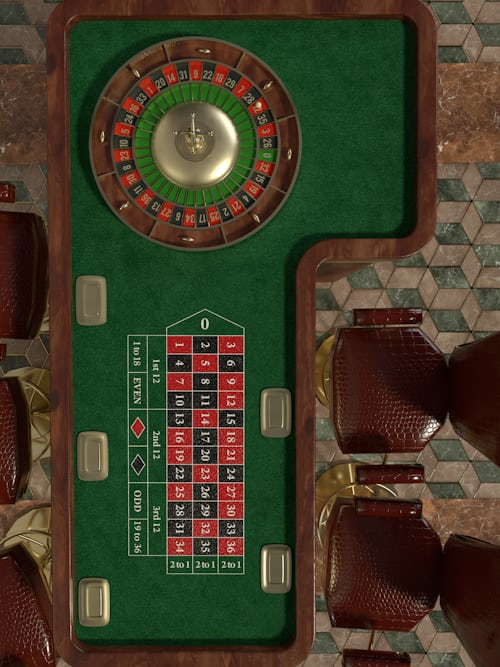
Moreover, gambling has often mirrored societal values and norms. For example, during economic downturns, people may turn to casinos not just for entertainment, but as a potential lifeline to improve their financial situation. This duality of enjoyment and desperation underscores the complex role that casinos play within cultural frameworks, influencing how communities interact with the concept of chance.
Casinos as Social Hubs
In modern society, casinos serve as vibrant social hubs where individuals congregate for entertainment and leisure. Beyond the allure of gambling, these establishments offer dining, entertainment, and nightlife, creating an environment that fosters social interaction. The casino experience is often characterized by its lively atmosphere, where people from diverse backgrounds come together to share in the excitement of games and events.
This social dimension plays a crucial role in the cultural significance of casinos. Many visitors view their time at casinos as an opportunity to build connections, celebrate milestones, or simply unwind with friends. The communal nature of gaming, whether at a table or through interactive slots, adds a layer of engagement that transcends mere monetary stakes, reinforcing the idea that casinos are integral to social culture.
The Influence of Technology on Gambling Culture
The advent of technology has significantly transformed the gambling landscape, making casinos more accessible than ever before. With the rise of online gaming platforms, individuals can now enjoy the thrill of gambling from the comfort of their homes. This shift has broadened the audience for casinos, introducing new demographics and altering traditional perceptions of gambling.
Cultural Perceptions of Gambling
The cultural perception of gambling varies widely across different societies, influenced by historical, religious, and socio-economic factors. In some cultures, gambling is celebrated as a form of entertainment and leisure, while in others, it is stigmatized or even prohibited. This disparity can affect the prevalence and acceptance of casinos in various regions.
Malina Casino and Modern Gaming Culture
Malina Casino represents a contemporary evolution in the gambling landscape, offering a diverse range of gaming options that cater to modern players. With a broad selection of over 9,000 games, including slots and live dealer experiences, it exemplifies how casinos adapt to meet the changing preferences of the gaming community. This adaptability is crucial for maintaining relevance in a fast-paced digital world.